

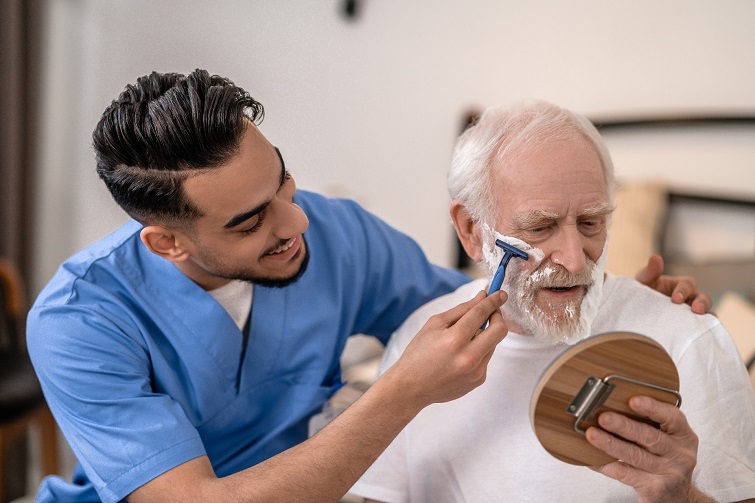
Maintaining personal hygiene is an important part of healthy aging. For many older adults, everyday activities such as bathing, brushing teeth, changing clothes, grooming, and using the restroom can become more difficult as mobility, strength, or coordination changes. These challenges can affect comfort, confidence, and a person’s sense of independence. Compassionate in-home support helps seniors maintain their routines in familiar surroundings, with care that respects their preferences and personal boundaries.
At RDS Home Care, we recognize that personal hygiene involves more than physical cleanliness. It is closely connected to self-respect, emotional well-being, and quality of life. Our approach centers on treating every individual with kindness, patience, and respect. With thoughtful assistance, older adults can receive the support they need without feeling that their privacy or independence has been taken away.
- Supporting Daily Bathing and Grooming
Bathing and grooming can become challenging for seniors who experience balance difficulties, limited mobility, or reduced strength. Getting in and out of a bathtub, washing hard-to-reach areas, and standing for extended periods may increase the risk of slips or falls. Assistance from a trusted caregiver can make these routines more comfortable and manageable.
Through our home care services in Philadelphia, Pennsylvania, older adults can receive support with bathing, hair care, oral hygiene, dressing, and other daily activities. Caregivers can prepare necessary supplies, offer steady assistance, and allow seniors to complete the steps they can manage independently. Maintaining familiar routines helps older adults feel more comfortable and retain a sense of control over their day.
Respectful care means asking permission before providing assistance, explaining each step, and allowing enough time for the individual to feel comfortable. Simple actions, such as offering a choice between two outfits or letting a person wash their face independently, help preserve personal identity and confidence.
- Preserving Privacy and Personal Choice
Personal hygiene is an intimate part of daily life. Seniors may feel embarrassed or uncomfortable when they need help with bathing, dressing, or toileting, particularly if they have always managed these activities on their own. Caregivers can ease these feelings through respectful communication, discretion, and a calm approach.
Older adults who receive personal care services in Philadelphia, Pennsylvania, can get help with everyday hygiene tasks while maintaining their individual preferences. Closing doors, using towels or robes for coverage, and asking before touching personal belongings are practical ways to protect privacy. Caregivers should explain what assistance is needed and give seniors opportunities to express their wishes.
Preserving dignity means recognizing that each person has different comfort levels. Some seniors may prefer a particular bathing schedule, certain grooming products, or a familiar order for their morning routine. Listening to these preferences helps create a supportive experience that feels personal rather than intrusive.
- Managing Incontinence With Compassion
Changes in bladder or bowel control can affect an older adult’s comfort, confidence, and willingness to participate in social activities. Some seniors may feel anxious about accidents or hesitate to ask for assistance because they fear embarrassment. A considerate approach can help them feel supported without shame or judgment.
For seniors who need incontinence care services, assistance may include changing absorbent products, cleaning the skin, changing soiled clothing, and maintaining a fresh, comfortable environment. Caregivers should provide this support discreetly, respect the person’s privacy, and follow established care instructions. Gentle cleansing and timely changes can help reduce prolonged moisture exposure, which may contribute to skin irritation.
Open communication is equally important. Seniors should feel comfortable expressing their needs without fear of criticism. Our compassionate support means treating personal care needs as a normal part of caregiving. A calm response and respectful conversation can help preserve confidence and make daily routines less stressful.
- Protecting Skin Health and Physical Comfort
Healthy skin contributes to comfort and helps protect the body from irritation and infection. Aging skin may become thinner, drier, or more sensitive, making appropriate hygiene practices especially important. Regular washing, careful drying, clean clothing, and suitable skin care can support everyday comfort.
Caregivers can assist seniors with checking areas that may be difficult to reach, such as the feet, lower legs, and skin folds. Any unusual redness, persistent irritation, open areas, swelling, or discomfort should be reported to the appropriate family member or healthcare professional, as outlined in the agreed care plan.
Personal hygiene routines should reflect each person’s abilities and comfort. Warm water, gentle products, clean towels, and sufficient time can make bathing more pleasant. Caregivers should avoid rushing or using unnecessary force, giving seniors opportunities to communicate discomfort and request adjustments.
- Encouraging Independence Through Daily Routines
Receiving help with hygiene does not mean a senior must give up independence. Appropriate assistance can help older adults continue doing many things for themselves. A caregiver might arrange grooming supplies within easy reach, prepare clothing before dressing, or offer balance support during a bathroom visit.
This approach allows individuals to participate in their own care, maintain familiar habits, and make choices about their daily schedules. Small accomplishments, such as brushing their own hair or selecting their clothing, can strengthen confidence and provide a sense of achievement.
Consistency can make these routines easier to maintain. Following familiar schedules and respecting personal preferences can help seniors feel secure and prepared for daily activities. Families can benefit from knowing their loved ones receive considerate support with tasks that may have become difficult to manage alone.
- Providing Emotional Reassurance and Family Peace of Mind
Personal hygiene support can benefit the entire family. Relatives may worry about whether an older loved one can bathe safely, change clothing regularly, or manage restroom needs comfortably. Reliable assistance can reduce these concerns and give families greater confidence in their loved one’s daily care.
Kind words, patient guidance, and a reassuring presence can help seniors feel valued rather than dependent. Caregivers who listen carefully can recognize when a person feels uncomfortable, needs additional assistance, or prefers a different routine. This attention helps build trust and supports a positive caregiving relationship.
Every senior deserves to feel clean, comfortable, respected, and confident in their own home. Personal hygiene assistance should protect privacy, honor individual choices, and support independence whenever possible.
We understand the importance of treating every person with compassion and respect. We are committed to supporting daily living needs with thoughtful care that recognizes each individual’s dignity. Contact RDS Home Care to discuss your loved one’s personal care needs and learn how our in-home support can help make daily routines more comfortable.
Disclaimer
Blogs, content, and other media uploaded online are for informational purposes only. Contents on this website should not be considered medical advice. Readers are strongly encouraged to visit their physician for health-related issues.


Leave a Reply